
Blog
Weather Seals and Draughts Around Spartanburg
How Spartanburg's cold-moderate swings and 1960s-70s housing stock affect weather seals, draughts, and door hardware across Saxon, Arcadia, and nearby areas.
What Is Going On
Most garage doors in the Spartanburg service area were built between 1938 and 2013, with the median house going up in 1979, and the bulk of the stock dating to the 1960s and 70s across the 26 named areas we work in, from Saxon and Arcadia in close to Woodruff and Jonesville further out. That means a lot of original bottom seals, worn-out vinyl astragal, and frame gaps that were never a problem when the rubber was new but are now letting air straight through. The seal on the bottom of the door is rubber, and rubber from the Carter administration or even the Reagan years is not rubber anymore - it's a hard, cracked strip that no longer compresses against the slab floor. On a 1960s or 70s build, the wood jamb itself has often shifted a little over fifty-plus years, so even a new seal can sit crooked against an uneven frame. This isn't a defect, it's just what happens to a door that age in a climate that swings between humid summers and real cold spells. The fix is rarely the whole door - it's almost always the seal, the astragal, or the weatherstrip around the frame, and sometimes a little shimming where the jamb has racked out of square.
When to Get Help
Call when you can see daylight under the bottom of the door with it closed, when leaves or grit pile up against the inside of the threshold after wind, or when the garage feels noticeably colder than it should for a space with four walls and a roof. Spartanburg sits in a cold-moderate climate band, not a deep-freeze one, so you're not fighting the kind of hard freeze that cracks concrete - but you are fighting enough cold air movement in winter to make an unsealed door a real draft source into an attached garage. If the door rattles in gusts or the seal has gone stiff and won't flex back when you press it, that's worth a look before winter, not after a cold morning when the opener is straining against a door that's binding on a warped seal. One honest limit here: if the jamb has rotted or shifted badly enough that weatherstripping won't seat right no matter what you put on it, that's a carpentry fix first - we can tell you when that's the case, but we don't reframe openings.
What Changes With the Season
In a cold-moderate climate like this one, the seal problem isn't constant - it gets worse in the cold months and eases up in summer humidity, which is exactly backwards from what most owners expect. Cold temperatures stiffen old vinyl and rubber, shrinking it slightly and opening gaps that were barely noticeable in August. That's when owners first notice the draught, usually on the first cold snap of the year, not gradually. Houses built mid-century in this area, which is most of them going by the stock across these 26 communities, also tend to have single-car or narrow double openings where the side seals matter as much as the bottom one - a gap on either side lets in just as much cold air as a worn threshold strip. Summer is the better time to replace seals anyway, since the rubber installs and seats more evenly in warm weather and you're not doing the job with cold fingers in a 40-degree garage.
How Local Conditions Play In
With 21,429 owner-occupied houses out of 38,583 households across the service area, and a median household income of $51,353, most of the seal and weatherstrip work we see is a repair job, not a door replacement - and for a house with original 1960s-70s hardware, that's usually the right call financially too. A full new seal kit and astragal replacement costs a fraction of a new door, and it solves the draught problem completely if the frame underneath is still square. Where we do recommend replacement is when the door panel itself has warped enough that no seal will seat flush against it - that's a panel or door issue, not a weatherstrip issue, and no amount of new rubber fixes a bowed panel. Given the age spread in this area, from houses built as early as 1938 up through 2013, we see both ends: original hardware that just needs sealing, and newer doors with factory seals that are still fine and just need a minor adjustment at the frame.
Questions
Common questions
Why is my garage so much colder than the rest of the house in winter?
In this climate band, cold-moderate but with real winter cold spells, an old bottom seal or side weatherstrip lets outside air move straight through. On a house built in the 1960s or 70s, which covers most of this area, the original rubber has likely hardened and shrunk, leaving gaps that weren't there when the door was new.
Should I replace the whole door or just the seals?
If the panel is still flat and square, new seals and astragal almost always solve the draught for a lot less than a new door. Replacement only makes sense when the panel itself has warped or the frame has shifted enough that no seal will seat flush against it.
When's the best time to fix a drafty garage door?
Summer, if you can plan ahead. Vinyl and rubber seals install and seat more evenly in warm weather. Waiting until the first cold snap means doing the job in a cold garage with stiff material that's harder to fit right.
Recommendation
You Might Also Like
More garage door guides for Spartanburg homeowners.
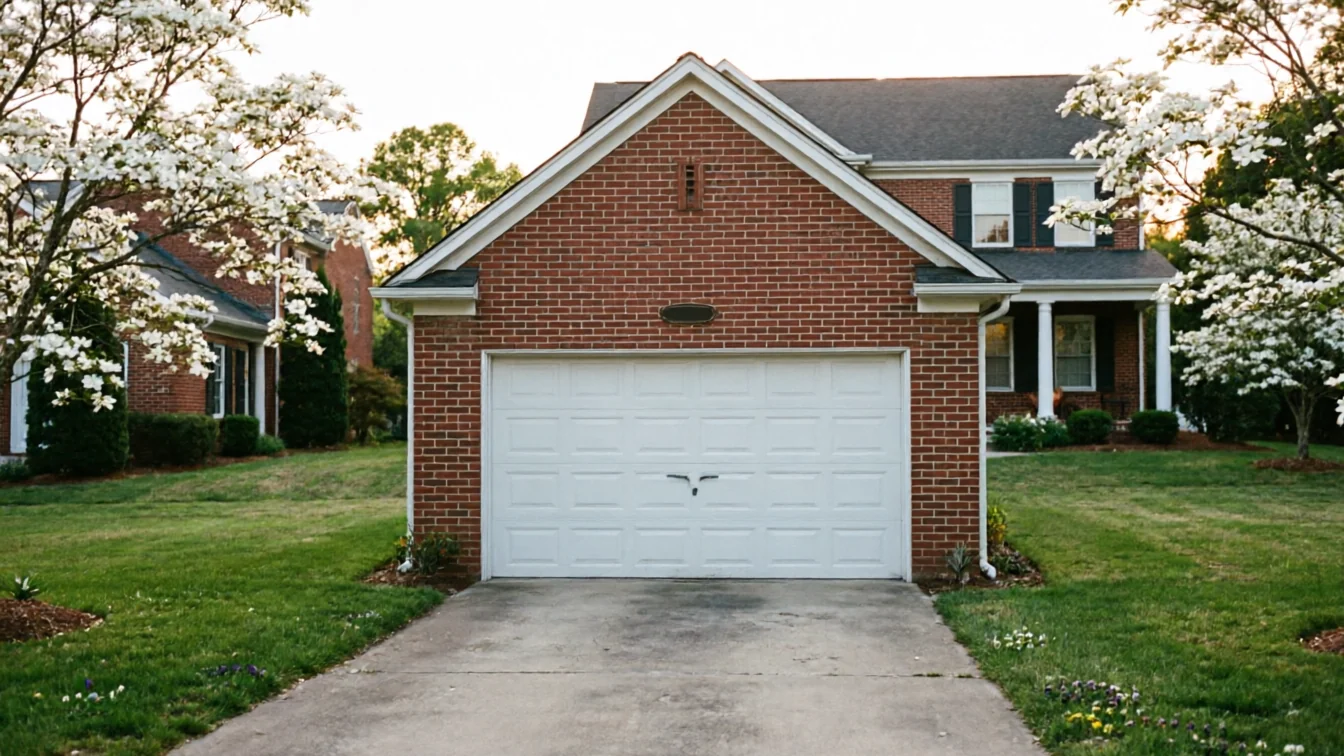
What a Service Call Actually Covers Here in Spartanburg
A look at what a Spartanburg garage door service call actually involves, tied to the area's 1960s-70s housing stock and cold-moderate winters that stress springs and tracks.
Read guide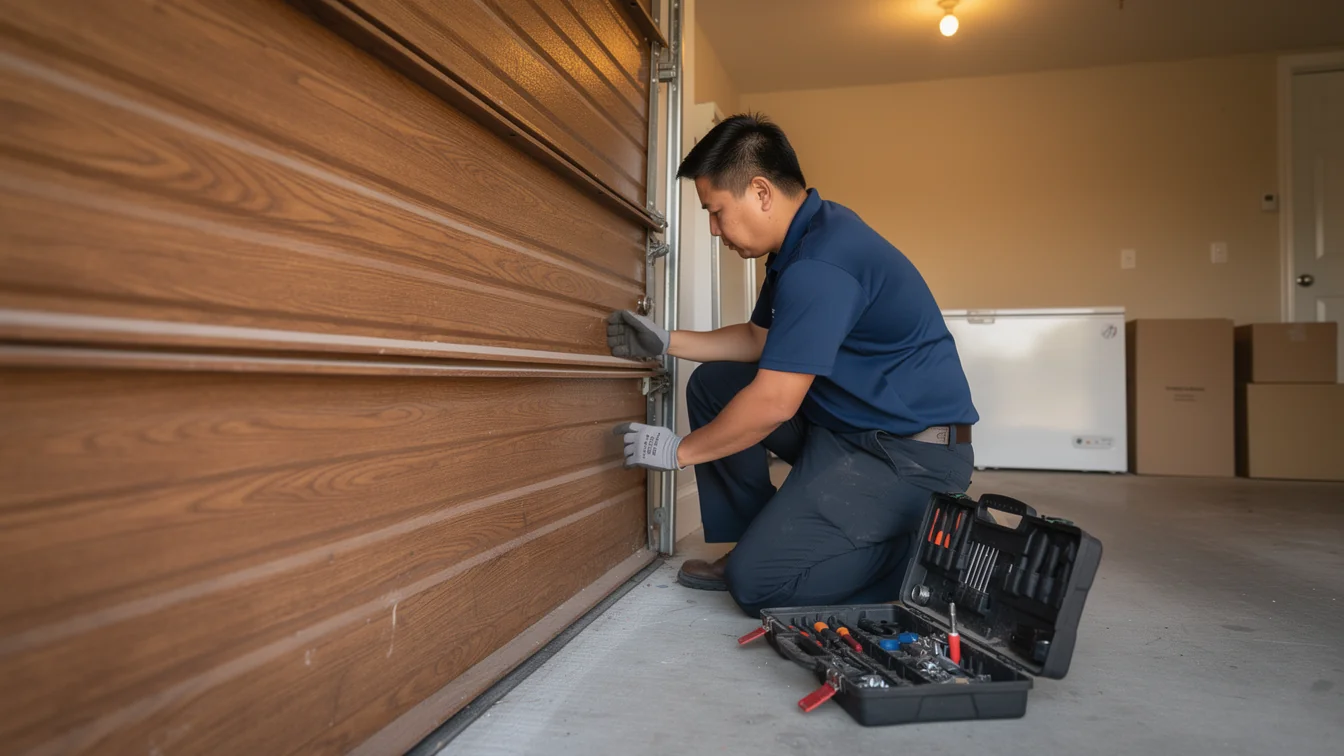
When a Spring Goes in Cold Weather Around Spartanburg
Spartanburg's housing runs 1938 to 2013, mostly 1960s-70s builds, and cold snaps hit aging torsion springs hard.
Read guide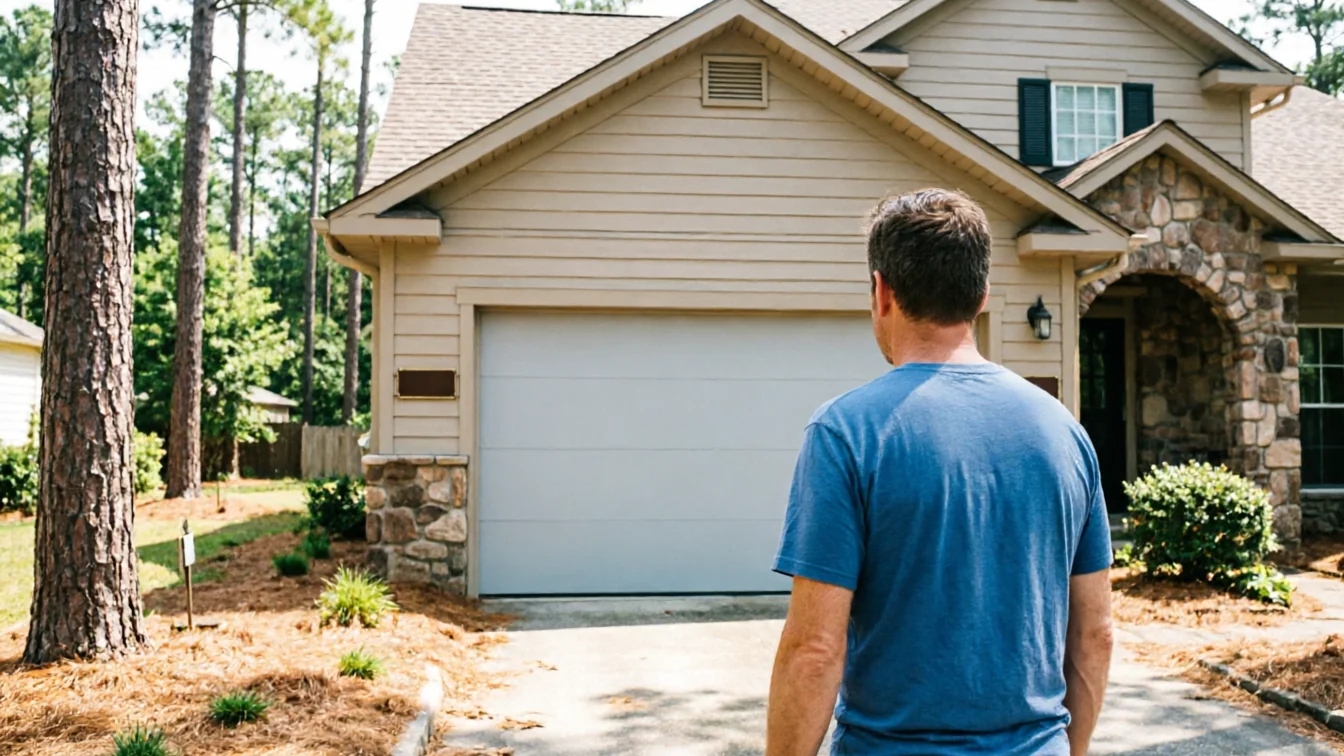
Why Your Garage Door Jumps the Track
Spartanburg homes built mostly in the 1960s and 70s have aging track hardware that shifts with cold-season temperature swings.
Read guideReady when you are
Need a garage door sorted in Spartanburg?
Spartanburg Garage Door Pros repairs and installs garage doors, springs and openers in Spartanburg, SC and the surrounding area.