
Blog
Fixing vs. Replacing an Older Garage Door in Spartanburg
Most Spartanburg houses date to the 1960s-70s. Here's how to tell if an original torsion spring, track, or opener is worth fixing or needs full replacement.
What Is Going On
Spartanburg's housing stock runs from 1938 to 2013, with most of it going up in the 1960s and 70s across neighborhoods like Saxon, Arcadia, and Valley Falls. That matters more than people think, because a door and its hardware age differently depending on when the house went up. A house from the 1960s or 70s often still has its original torsion spring setup, sometimes the original track, and in a lot of cases a first-generation chain-drive opener that's been swapped once along the way. Newer construction out past Boiling Springs or in the areas built closer to 2000 and after tends to run lighter steel sections and belt-drive openers, which wear differently and fail differently.
When we get a call, the first question isn't "what's broken" - it's "how old is the bones of this door." A bent track on a 10-year-old door is a track problem. The same bent track on hardware that's 40 years old usually means the rollers, the spring, and the drum are all at the end of their life together, and fixing just the track is a short-term patch. Knowing roughly when a neighborhood was built gives us a real starting point before we even see the door.
When to Get Help
Call before the door fails all the way, not after. A torsion spring that's started to sag - you'll notice the door feels heavier when you lift it by hand, or the opener strains and makes a new noise - is still a controlled repair. Once that spring snaps, you've got a door that can come down fast and unevenly, and that's a different, more urgent job.
Other signs worth a call: a track that's pulled away from the wall even slightly, rollers that are cracked or chipped rather than just worn smooth, and cables with visible fraying. Any of those on their own is a repair. Several at once on a door that's original to a 1960s or 70s build is usually the point where we tell a homeowner straight that replacement makes more financial sense than chasing failures one at a time.
Here's the limitation we're upfront about: if a door's track and drum system is old enough that the replacement parts are no longer a standard stock size, we may need to order hardware rather than finish same-day. That's rare on newer builds but comes up on some of the oldest houses in the service area.
What Changes With the Season
Spartanburg sits in a cold moderate climate band, which means the door doesn't see brutal extremes, but it does see real freeze-thaw cycling every winter. Steel panels and tracks contract in cold weather, and on an older door with worn rollers or a spring that's already lost some tension, that contraction is often what pushes a marginal part over the edge. We see more spring failures in the colder months, not because the spring broke from cold alone, but because a part already near the end of its life has less margin once metal tightens up.
Humidity swings matter too. Wood-look doors and wood jambs on older homes can swell slightly in damp stretches and dry out again, which over years works screws loose at the hinge and track-mounting points. That's a slow problem, not a sudden one, and it's easy to miss until the track starts pulling away from the frame.
None of this means you need seasonal maintenance on a brand-new door. It means an older door, already carrying wear from decades of use, gets less forgiving exactly when the temperature drops - which is usually when nobody wants to deal with a garage door at all.
How Local Conditions Play In
With a median household income of $51,353 across the service area and 21,429 owner-occupied houses among roughly 38,583 households, a lot of Spartanburg owners are choosing one well-timed repair over a full replacement, and that's often the right call. A single spring or roller job on an otherwise sound door is a fraction of the cost of new panels, a new opener, and new track.
Where the math flips is in the older pockets - closer to Saxon, Arcadia, Southern Shops, and the parts of town built nearer that 1938-1979 range - where a door can be carrying three or four worn systems at once: spring, rollers, cable, and an opener that's outlived its gearing. In neighborhoods out toward Boiling Springs or Chesnee, where houses often run closer to the 1970s end of that build range, torsion springs are the most common failure point we see, simply because that's the part under constant load.
Farther out toward Gaffney or Cowpens, where some of the stock is newer, we see fewer structural failures and more opener and sensor issues instead - different problem, different fix. Knowing which kind of neighborhood a house sits in gets us closer to the right diagnosis before a truck even rolls.
Questions
Common questions
How do I know if my garage door spring is original to the house?
If your house was built in the 1960s or 70s and the spring has never been replaced that you know of, there's a decent chance it's original or close to it. A spring that old has usually lost some tension even if it hasn't broken, which shows up as a door that feels heavier to lift by hand than it should.
Is it ever cheaper to replace the whole door instead of repairing it?
Yes, when several systems are failing at once - spring, rollers, track, and an aging opener together. Pricing individual repairs one at a time on a door that old can add up to more than a new door and opener installed together. We'll tell you straight if that's where your door is at.
Does cold weather really cause more spring failures here?
Spartanburg's winters aren't extreme, but the freeze-thaw cycling does tighten up steel, and on a spring that's already worn thin that extra tension is sometimes what pushes it to break. We do see a seasonal uptick in broken-spring calls in the colder months.
Recommendation
You Might Also Like
More garage door guides for Spartanburg homeowners.
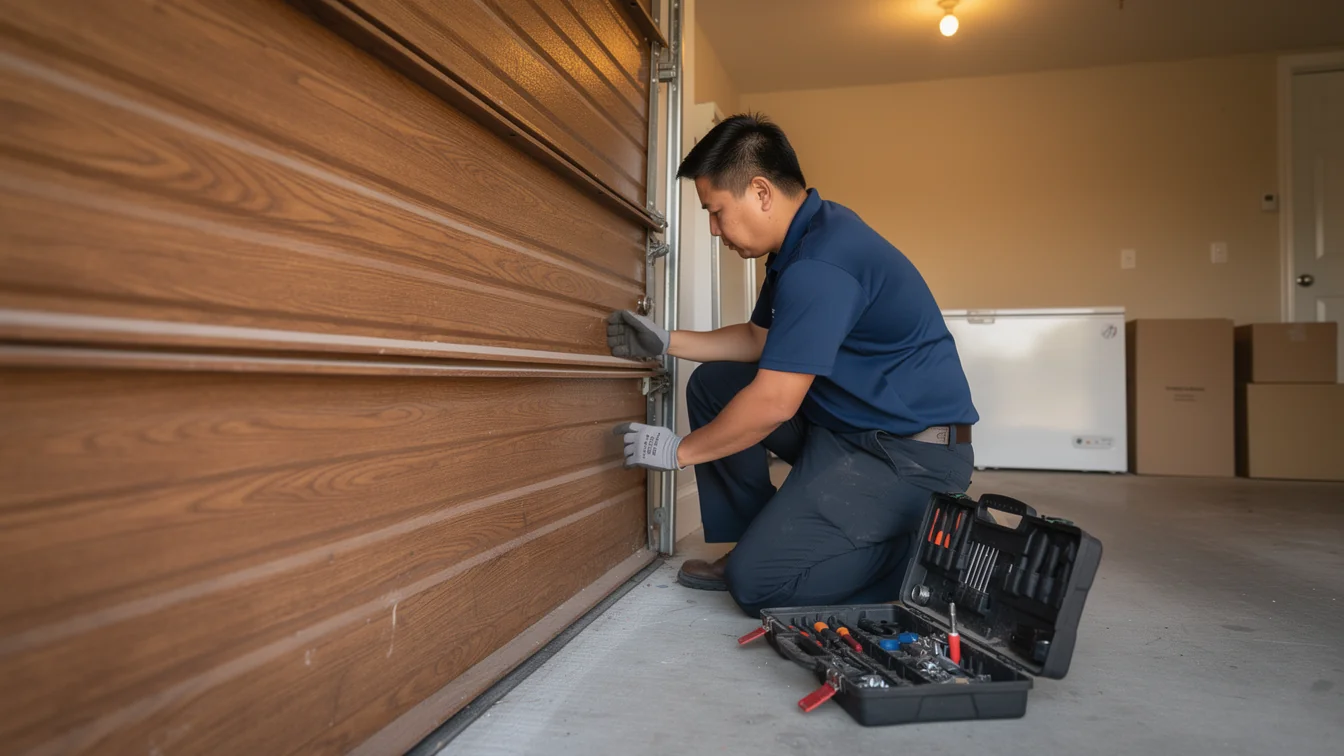
When a Spring Goes in Cold Weather Around Spartanburg
Spartanburg's housing runs 1938 to 2013, mostly 1960s-70s builds, and cold snaps hit aging torsion springs hard.
Read guide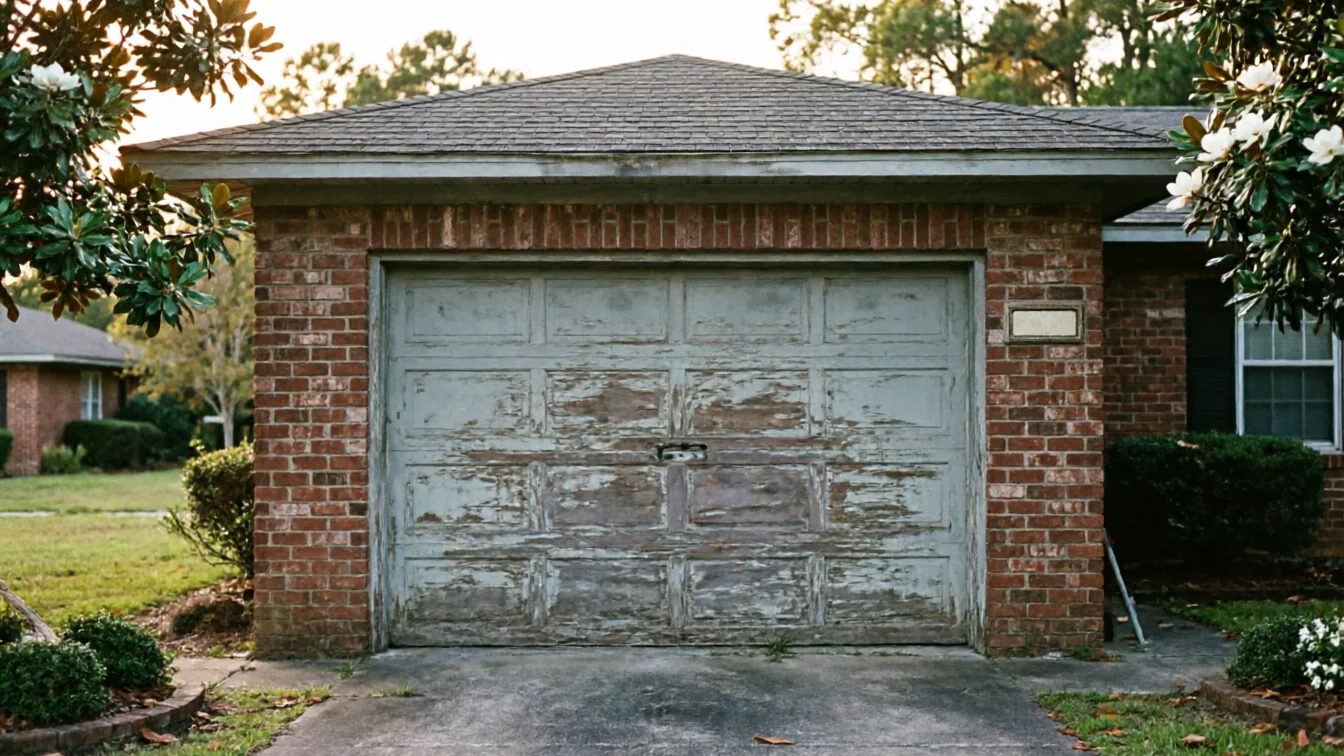
What's Actually Going On With Garage Doors in Spartanburg
Spartanburg homes built between 1938 and 2013 carry different garage door hardware and insulation needs.
Read guide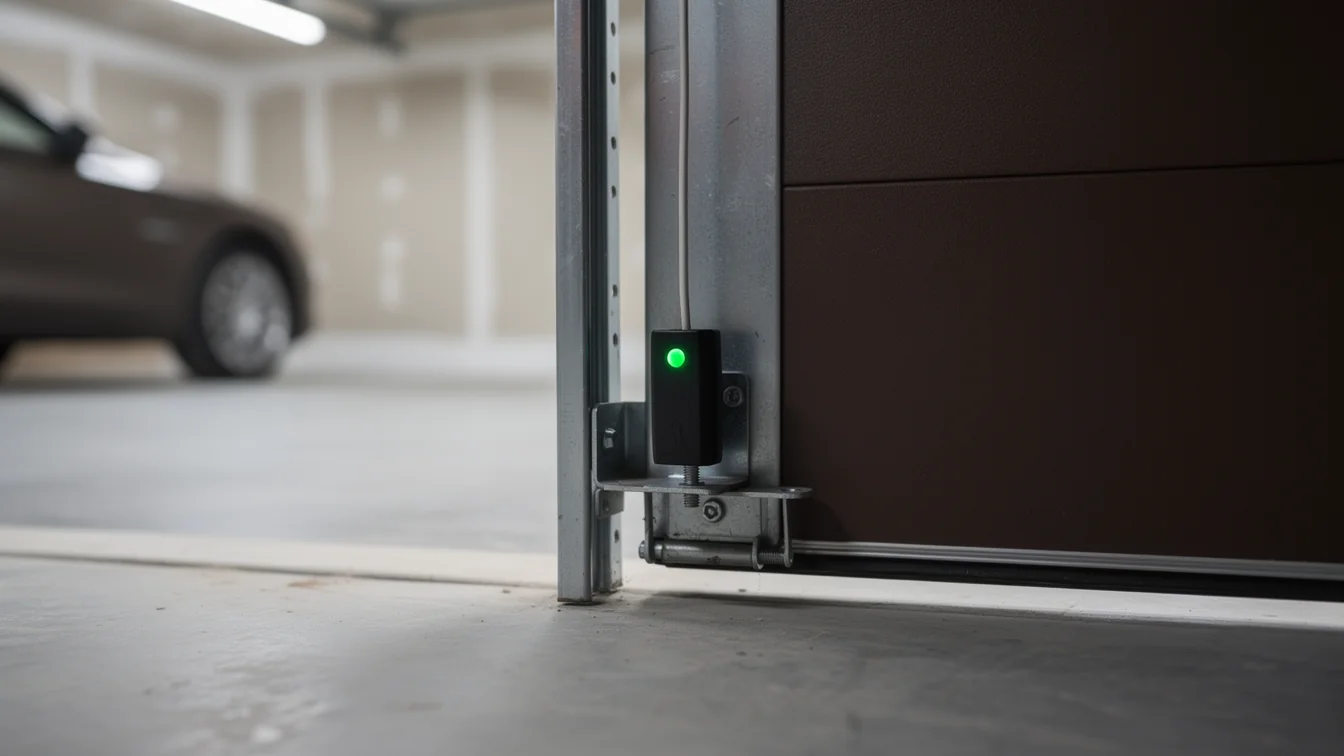
What Your Garage Door Is Trying to Tell You
Spartanburg homes run from 1938 to 2013, mostly 1960s-70s builds, and that age shows up in the noise your door makes.
Read guideReady when you are
Need a garage door sorted in Spartanburg?
Spartanburg Garage Door Pros repairs and installs garage doors, springs and openers in Spartanburg, SC and the surrounding area.