
Nylon roller damage signs
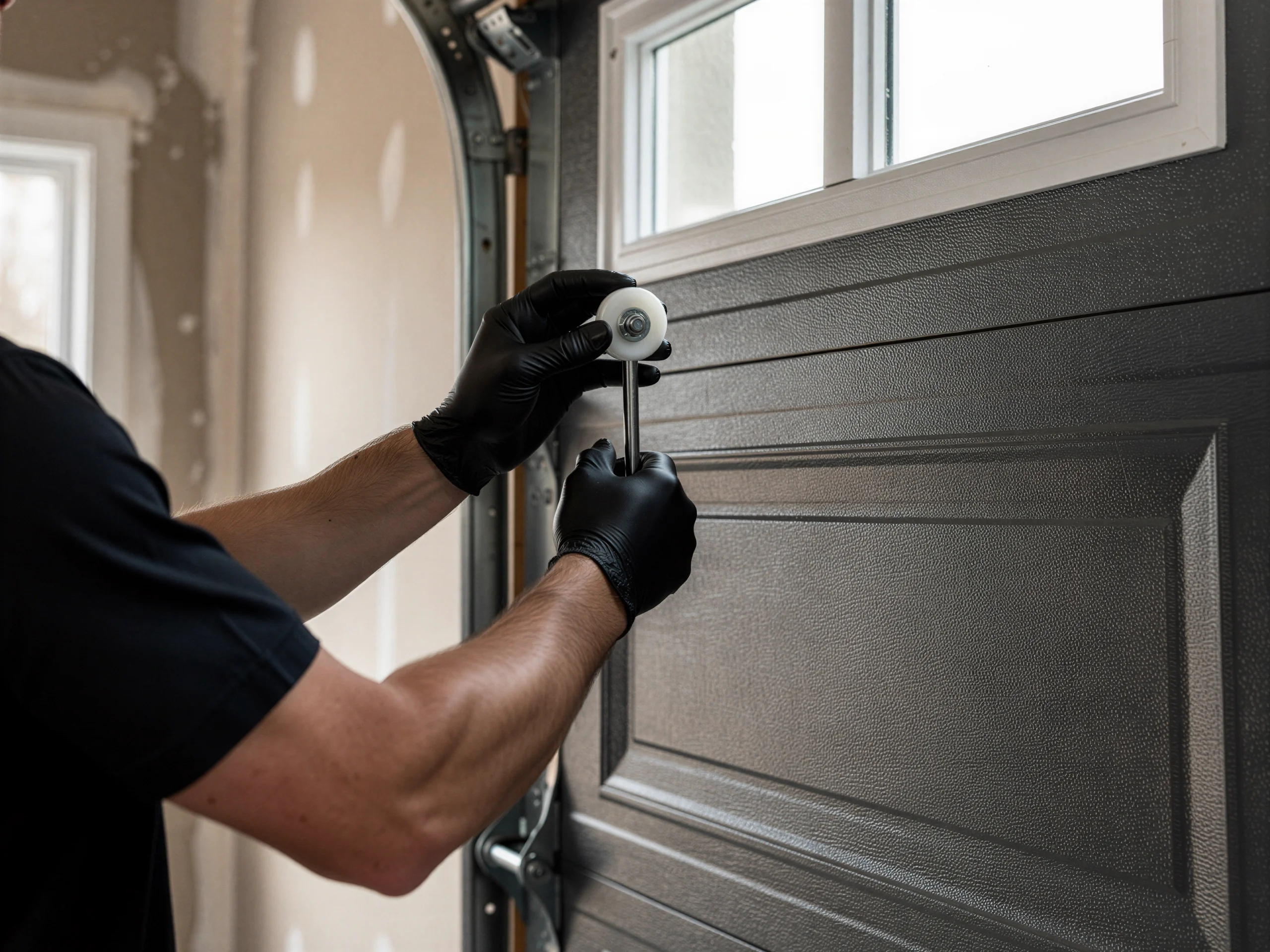
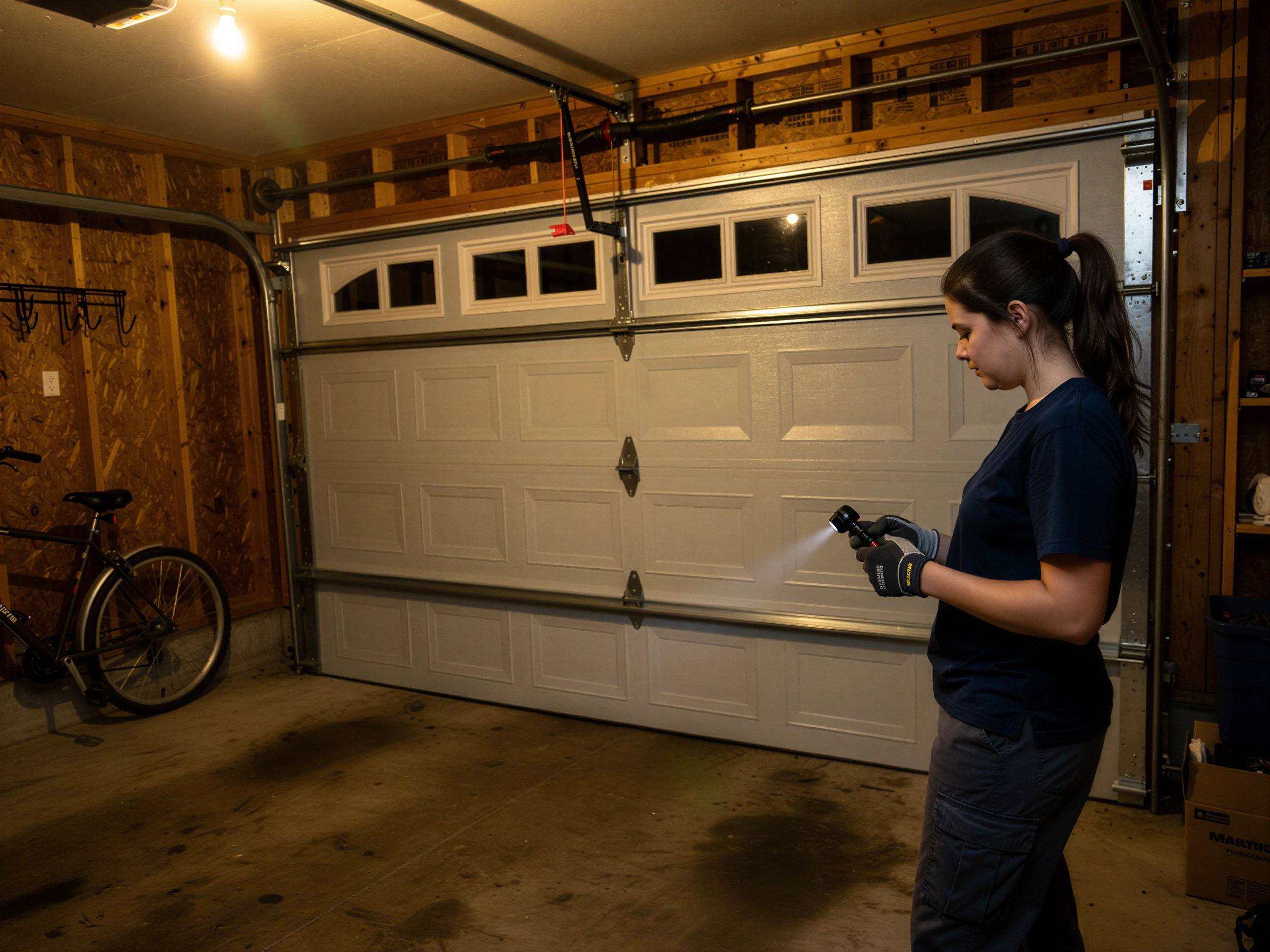
Look at the rollers themselves if you can get a flashlight on them: cracked or flat-spotted nylon, a stem that's bent sideways, or a roller that's worn down to a narrow nub instead of a full wheel.
Spartanburg, SC
Worn rollers on Spartanburg homes built between 1938 and 2013 bind, jump track, and get noisy in cold snaps. Here's why, and what roller replacement involves.
Job timing
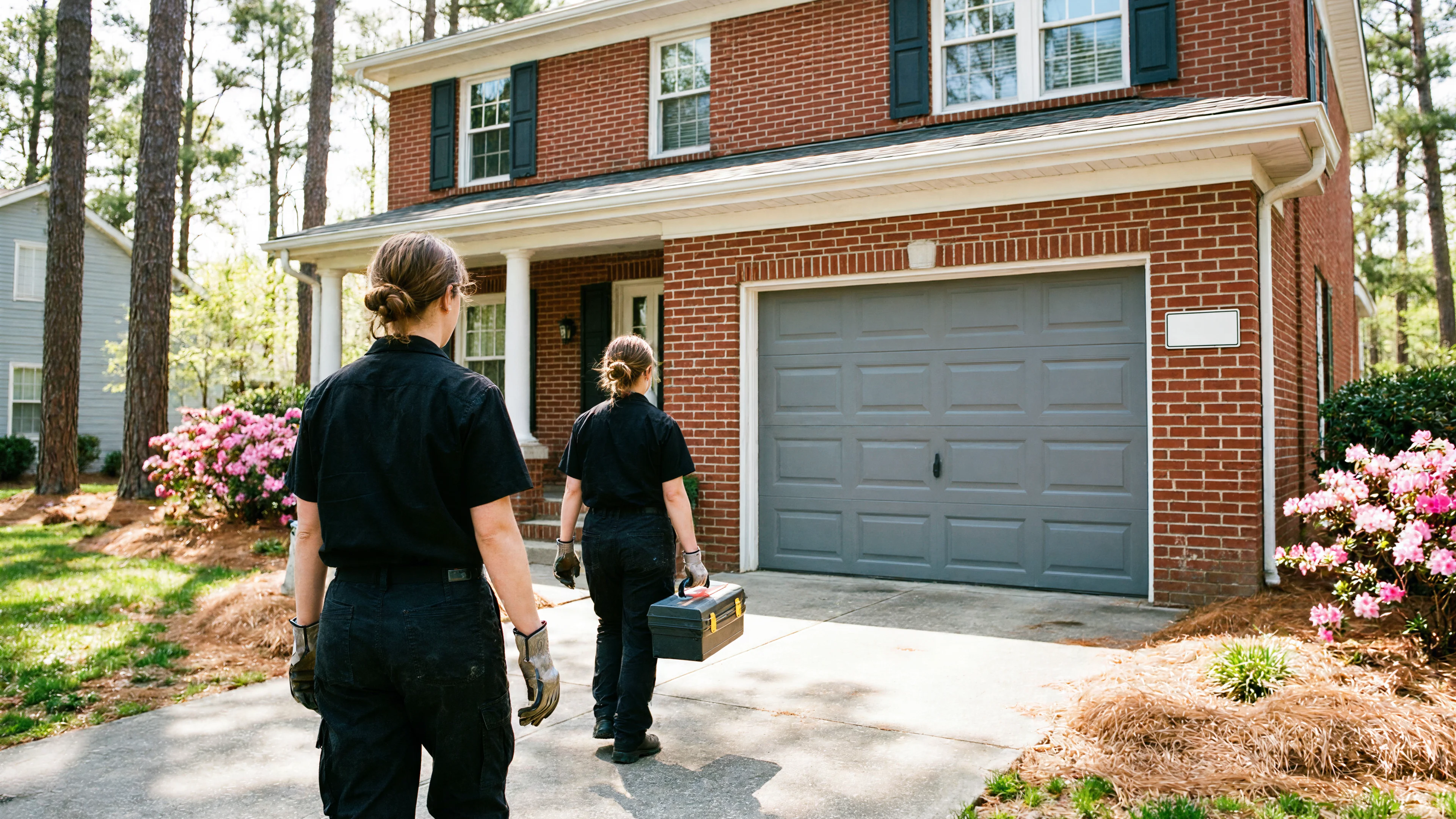
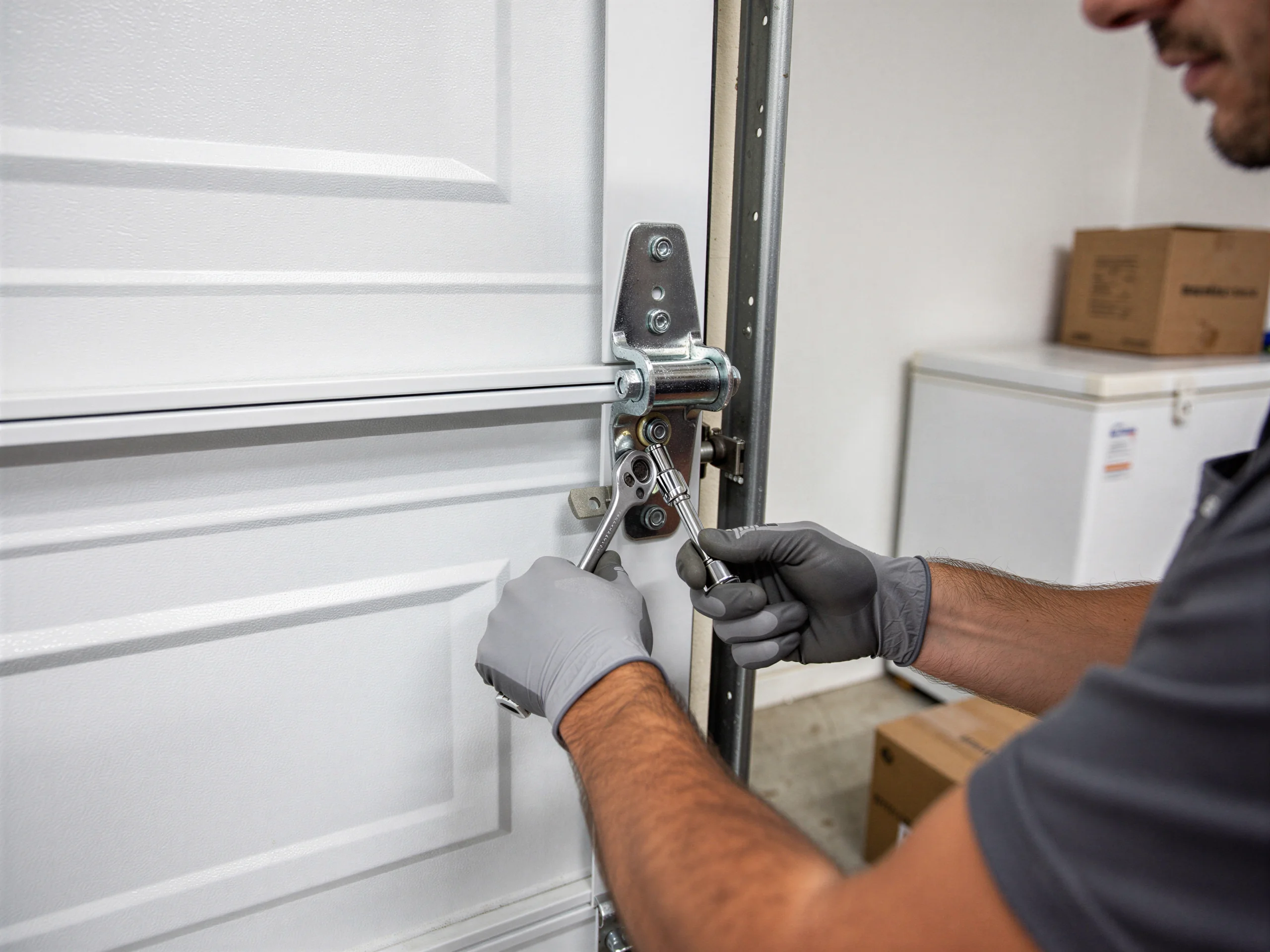
Roller replacement is a bread-and-butter call across the Spartanburg area. We're out working this job on homes from Saxon to Boiling Springs to Woodruff, in houses that range from late-1930s construction up through builds from the 2010s, with the bulk of the stock dating to the 1960s and 70s. A full roller set swap on a double door, with the track checked and adjusted, is usually a same-visit job. If a track is bent or a hinge is cracked along with the rollers, that adds time, and we'll tell you before we start, not after. We don't push a full door replacement on a roller call unless the rest of the hardware is actually failing. Most of the time it isn't - it's just the rollers.
Warning signs
You'll hear it before you see it. A grinding or scraping noise as the door travels, a door that jerks or hesitates partway up the track, or a door that's noticeably louder than it used to be, especially on cold mornings.
Look at the rollers themselves if you can get a flashlight on them: cracked or flat-spotted nylon, a stem that's bent sideways, or a roller that's worn down to a narrow nub instead of a full wheel.
Steel rollers show it differently - you'll see rust pitting or hear a metal-on-metal squeal that no amount of lubricant fixes for long. If the door is riding rough in the track or popping out of the channel on one side, that's often a roller problem that's been ignored long enough to become a track problem too.
Local causes
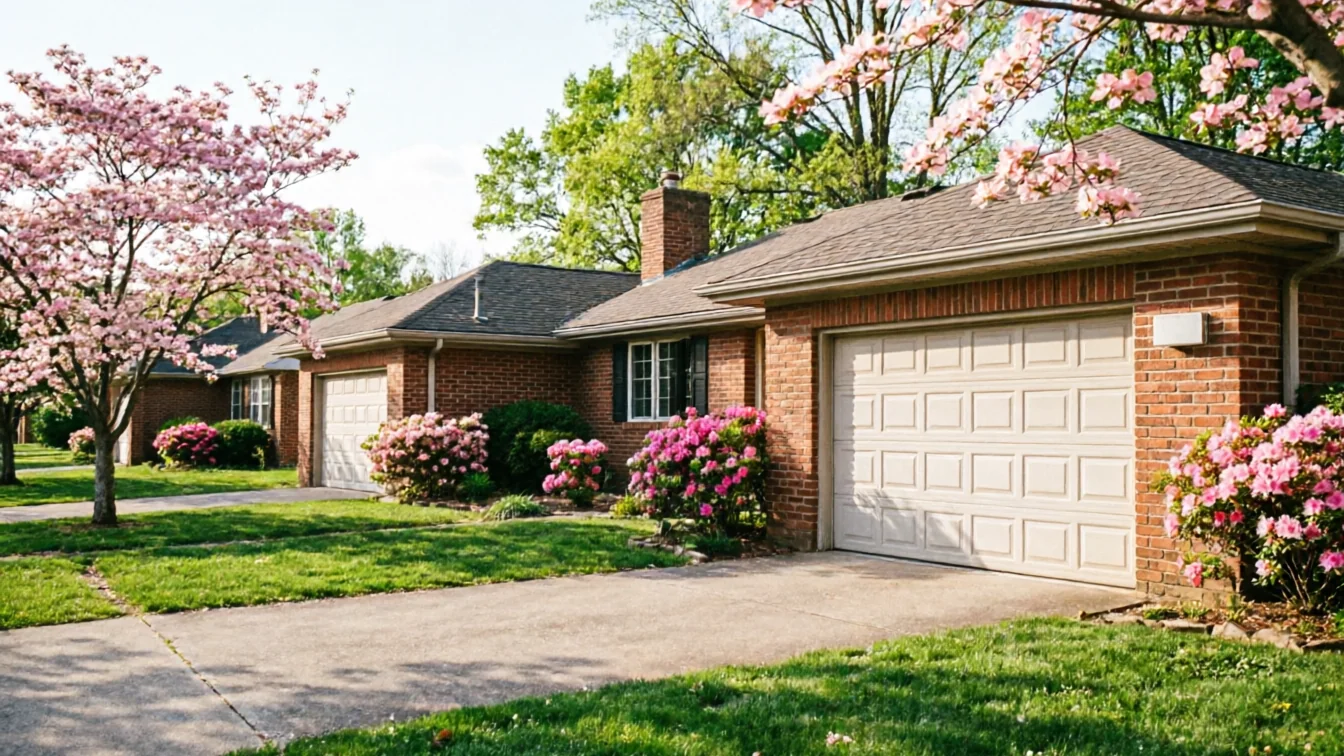
Spartanburg's housing stock runs from 1938 to 2013, with a lot of it dating to the 1960s and 70s across the 26 areas we see work in. Original rollers and steel track hardware from that era were built for a different climate expectation than what we actually get: a cold, moderate band with real swings between summer heat and winter cold snaps. That swing matters more than people think. Steel rollers in an unheated, unconditioned garage contract and expand with the temperature, and the grease inside the bearing thickens in the cold, which is exactly when you hear that morning grind. Houses built before plastic or nylon rollers became standard are the ones we see most for this - the original hardware has simply outlived its design life, and nobody's touched it since the house was built. Newer homes in the service area, built with nylon rollers from the start, tend to show wear later and more gradually, but the same cold-weather bearing stiffness still applies.
Pricing
We don't post a flat number here because it depends on what we find once the door's open - roller count, whether it's a single or double door, and whether the track needs adjustment or replacement alongside the rollers. What we can tell you: a straightforward roller swap with no track damage is one of the more affordable repairs we do, and we'll give you the number for your door before any work starts, not as a surprise on the invoice. If your springs or cables are also showing age, we'll flag that separately rather than bundling it in without asking. Call and we'll walk you through what it looks like for your specific door.
Questions
Most residential doors have one roller per hinge, which usually works out to 10 to 14 rollers depending on the number of panels. On a roller replacement job we typically do the full set at once rather than one or two, since the rest are usually close behind in wear once one starts failing.
Lubricant helps for a short while if the roller itself is still round and the bearing isn't shot, but it won't fix a flat-spotted or cracked roller. If the noise comes back within a few weeks of lubricating, the roller is worn out and needs replacing, not more grease.
Cold temperatures stiffen the grease inside the roller bearing and make steel components contract slightly, which is why a door that runs fine in July can grind and hesitate in January. It's a bigger factor here than in warmer climates because of the real swing between our summer and winter temperatures.
Sometimes - if worn rollers caused the derailment, replacing them along with any bent track section usually solves it. But if the track itself is badly bent or the door has been forced back into place, we need to inspect it in person before saying roller replacement alone will fix it.
Explore more
Ready when you are
Spartanburg Garage Door Pros repairs and installs garage doors, springs and openers in Spartanburg, SC and the surrounding area.